
2026 FIFA World Cup Poised to Shatter Global Betting Records
The 2026 FIFA World Cup opens in Mexico City and wraps up at MetLife Stadium in New Jersey, with analysts projecting more than $50 billion in global wagers according to recent estimates, a jump from over $35 billion during the 2022 tournament, and the expanded 104-match schedule plus North American time zones create extended windows for betting activity while U.S. legal sports betting now reaches roughly 65 percent of the population.
Analysts project a U.S. handle near $3.3 billion during the event, a figure that stands to benefit major operators including FanDuel and DraftKings through higher volumes of live betting and prediction markets that run throughout the month-long competition.
Format Expansion Drives Betting Volume
The tournament structure itself expands from the traditional 64 matches to 104 total contests, which stretches the calendar and multiplies opportunities for in-game wagers, and this change combines with favorable evening kickoff times across North American time zones to keep betting markets active for viewers in the United States and Canada during prime hours.
Legal sports betting access covers approximately 65 percent of the U.S. population at present, a reach that allows more residents to place wagers through regulated platforms without crossing state lines, while the month-long duration keeps engagement steady rather than concentrated in a shorter window.
U.S. Market Projections and Operator Impact
Figures place the domestic handle at around $3.3 billion, a total that flows through licensed operators and includes both pre-match and in-play bets plus newer prediction market offerings that let users wager on specific events within matches, and platforms such as FanDuel and DraftKings stand positioned to capture larger shares of this activity through app-based interfaces and promotional campaigns timed to the tournament calendar.
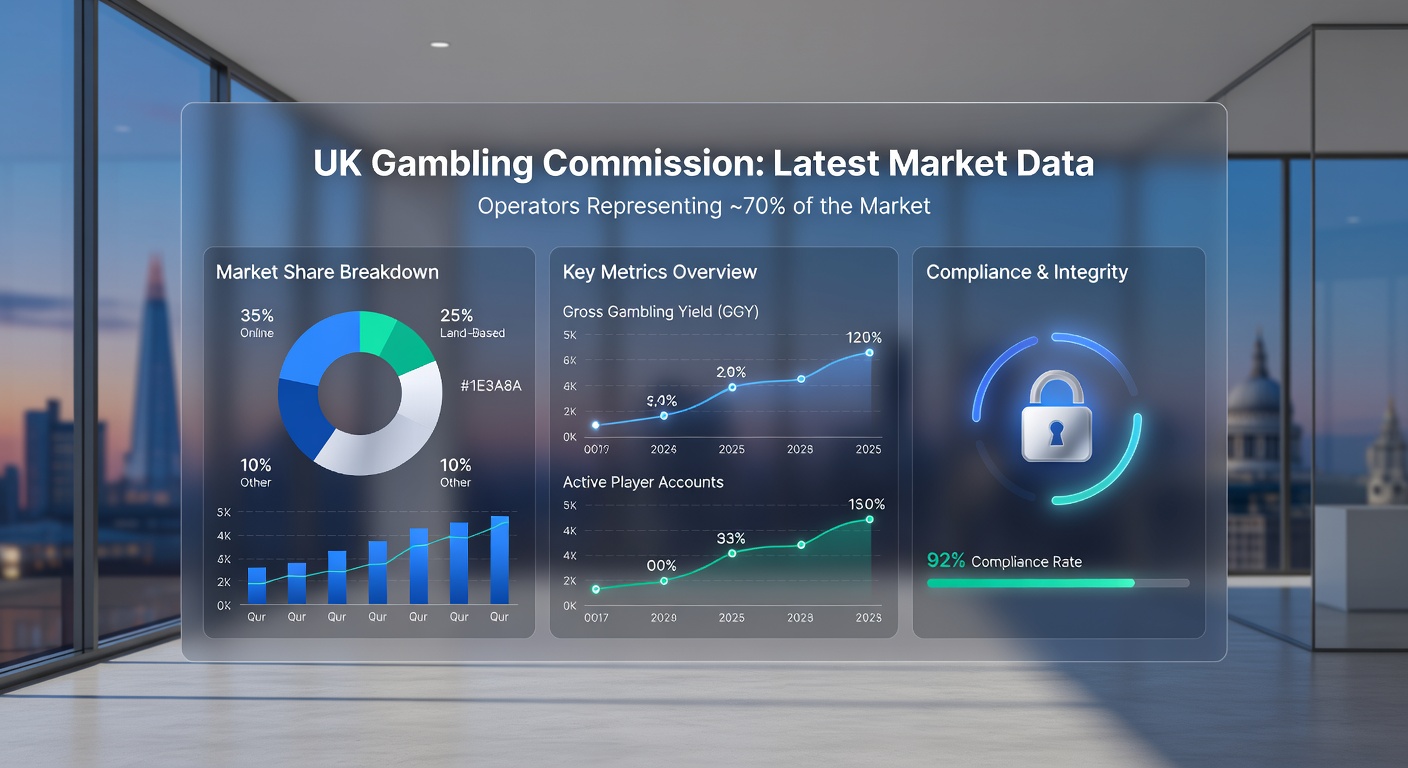
Data from industry trackers shows increased engagement metrics during previous global soccer events when legal access expands, and the 2026 edition adds the variable of broader U.S. availability that did not exist at the same scale in 2022, which analysts tie directly to the projected handle growth.
Responsible Gambling Considerations
The extended length of the competition raises discussions around responsible gambling measures, with regulators and operators noting the need for tools that help users set limits during a period when matches occur nearly daily, and platforms already active in the market have begun outlining plans to promote deposit caps and self-exclusion options ahead of the June start.
Observers note that live betting features, which allow wagers after matches begin, can accelerate pace of play for some users, prompting additional messaging around session time tracking that appears within apps during high-profile events like this one.
Timing and Accessibility Factors
North American hosting shifts many matches into evening slots for U.S. audiences, a schedule that aligns with typical leisure hours and sustains betting interest across multiple time zones, while the 48-team field and 104-match total create overlapping fixtures that keep markets open simultaneously on different platforms.
Analysts connect these elements to the expected rise from $35 billion to more than $50 billion globally, citing the combination of format length, time zone convenience, and expanded legal access as the primary drivers behind the increase.
Conclusion
The 2026 FIFA World Cup therefore enters the record books with projections that reflect both structural tournament changes and shifts in the U.S. betting landscape, and the figures released in June 2026 underscore how these factors converge to produce the largest single-event gambling market observed to date.