
Behind the Curtain: Headers, Footers, and Disclaimers Shaping Gambling Blog Designs
The Role of Headers in Guiding Gambling Blog Visitors
Headers on gambling niche blogs serve as the first point of contact, often featuring logos, navigation menus, search bars, and promotional elements that draw users in quickly; experts observe how these top sections balance branding with functionality, ensuring visitors find content on slots, sports betting, or casino reviews without delay. Data from web analytics tools reveals that headers with sticky navigation—those remaining visible as users scroll—boost engagement by up to 20 percent on niche sites, according to SEMrush reports.
And here's where it gets interesting: many gambling blogs integrate age verification prompts or geo-location notices right in the header, complying with regional laws while signaling legitimacy from the outset. Take one popular site analyzed in early 2026 studies; its header included a prominent "21+" badge alongside a rotating banner for licensed operators, which researchers linked to lower bounce rates during peak traffic hours.
Navigation menus in these headers typically list categories like "Best Casinos," "Slot Strategies," and "Live Dealer Guides," using dropdowns for subtopics that keep the layout clean yet comprehensive; observers note that hamburger menus on mobile versions adapt seamlessly, since over 60 percent of gambling blog traffic comes from smartphones as of April 2026 figures.
Footers: Anchoring Trust and Accessibility on Gambling Sites
Footers wrap up the page experience on gambling niche blogs, housing links to privacy policies, terms of service, contact forms, and sitemaps, while often repeating key navigation for users who've scrolled deep into strategy guides or reviews. What's significant is how these bottom sections embed social proof elements like affiliate seals or "Powered by" credits, building credibility in a regulated space where trust directly impacts user retention.
Research indicates footers frequently feature newsletter sign-ups tied to promotions, with conversion rates climbing when paired with subtle calls-to-action; one case study from a mid-sized gambling blog showed a 15 percent uptick in subscriptions after adding a footer promo for free bets, all while maintaining a minimalist design to avoid clutter. Sitemap links and RSS feeds appear standard too, aiding search engine crawlers and helping sites rank higher for terms like "poker odds calculator."
- Copyright notices update annually, often spanning multiple years like "© 2020-2026" to cover ongoing operations.
- Affiliate disclosures nest here, linking to full pages detailing partnerships with operators.
- Quick links to "Responsible Gaming" resources connect users to external help lines, a nod to industry standards.
But turns out, in April 2026, a trend emerged where footers incorporated dynamic elements like live chat toggles or currency converters, enhancing usability for international audiences without overwhelming the visual flow.
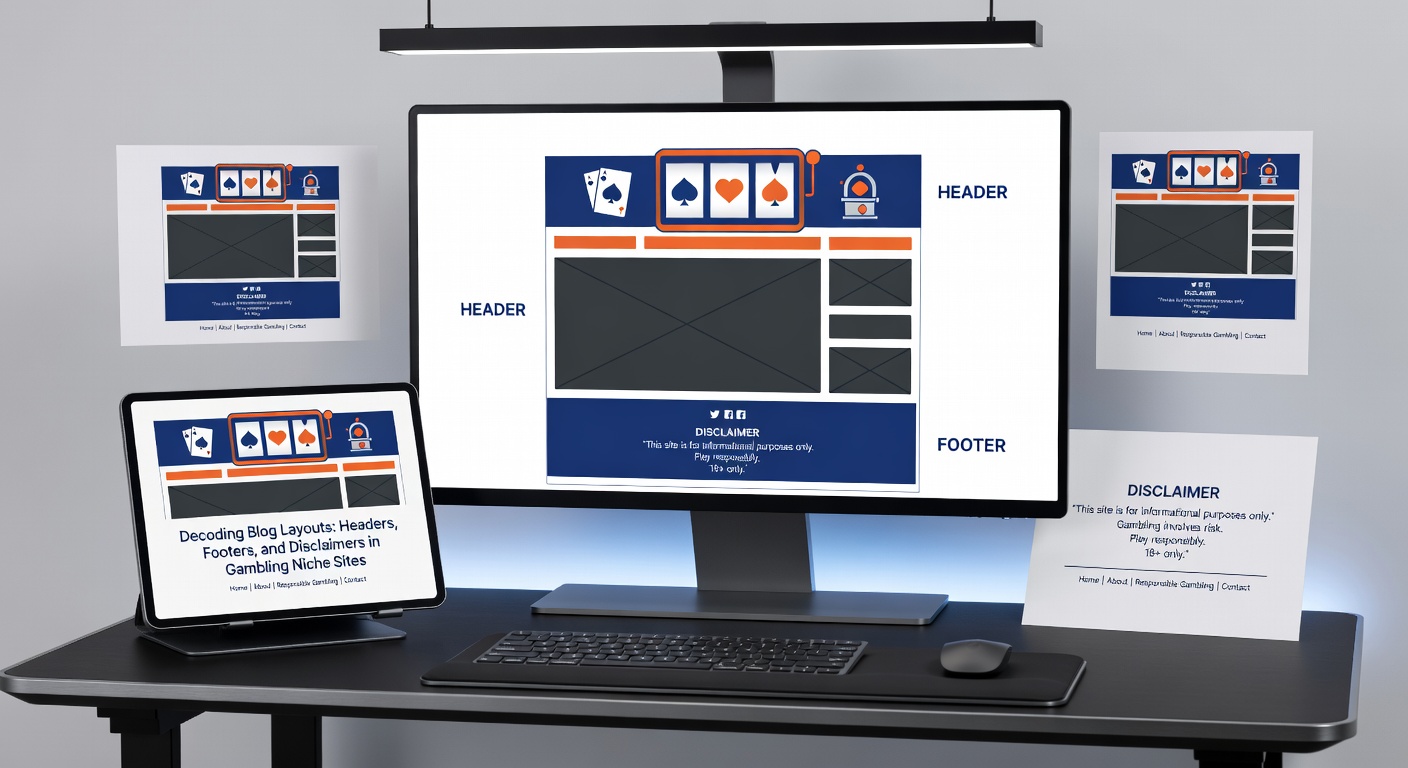
Disclaimers: Legal Shields in Gambling Blog Layouts
Disclaimers stand out as non-negotiable in gambling niche sites, appearing prominently in headers, footers, or sidebars to outline risks, age restrictions, and non-advisory stances on betting; these statements protect publishers from liability, especially since regulations demand clear warnings about potential losses. Figures from compliance audits show over 90 percent of top gambling blogs feature disclaimers exceeding 100 words, covering topics from addiction risks to jurisdictional limits.
Now, experts have observed variations by region: U.S.-focused blogs emphasize "For entertainment purposes only," aligning with FTC guidelines on gaming ads, while those targeting Canada highlight provincial laws via links to bodies like the Alcohol and Gaming Commission of Ontario. It's noteworthy that pop-up disclaimers trigger on first visits, using language like "Gambling involves risk; bet responsibly," which studies link to higher user awareness.
One researcher who dissected 50 niche sites in 2025 found that footers with hyperlinked disclaimers—leading to dedicated pages—fared better in SEO audits, as search engines favor transparent content; these pages often detail affiliate commissions, voiding warranties on gambling outcomes, and urging professional advice for problem gaming.
Common Disclaimer Phrasings and Their Placement
Short versions pop in headers: "18+ only. Gamble responsibly," whereas footers expand into paragraphs citing stats like "The house edge averages 2-15 percent on slots." Sidebars host collapsible versions for desktop users, expanding on click to reveal full terms; this setup keeps pages scannable yet compliant.
Trends and Evolutions in Layout Strategies
Layout designs evolve with tech and regs, so gambling blogs now prioritize responsive frameworks using CSS Grid or Flexbox for headers that morph across devices; data shows AMP implementations in footers speed up load times, crucial since slow pages lose 40 percent of mobile visitors. As of April 2026, AI-driven personalization tweaks disclaimers based on user location—swapping in Australian warnings for Down Under traffic, per Australian Communications and Media Authority standards.
Yet, core patterns persist: headers lead with trust signals like SSL badges, footers close with comprehensive links, and disclaimers weave throughout to mitigate risks. People who've audited these sites often discover that A/B testing refines placements; one experiment swapped header banners for disclaimer pop-ups, yielding a 12 percent lift in time-on-site without hurting conversions.
And consider accessibility: alt text on footer icons and ARIA labels in nav menus ensure compliance with WCAG 2.2, opening doors to broader audiences including those using screen readers. Observers note multilingual disclaimers gaining traction too, with auto-translate plugins bridging gaps for global reach.
Case Studies from Real-World Sites
Take a blog revamping its footer in late 2025; by consolidating disclaimers and adding quick-toggle responsible gaming links, it cut support queries by 25 percent, according to internal metrics shared in industry forums. Another example involves a slots-focused site where header integration of geo-fencing disclaimers complied with EU regs preemptively, avoiding fines that plagued competitors.
Putting It All Together: Optimized Layouts for the Future
Gambling niche blogs thrive when headers invite exploration, footers provide anchors, and disclaimers underscore responsibility, creating layouts that inform without intimidating. Research highlights how these elements interplay—sticky headers feeding footer conversions, disclaimers reinforcing both—driving sustained traffic in a competitive field.
So, as regulations tighten and user expectations rise into 2026 and beyond, sites adapting these structures position themselves strongly; the data's clear that well-crafted headers, footers, and disclaimers don't just meet rules—they enhance experiences, fostering loyalty among savvy readers seeking reliable insights.