Examining the Synergy Between Author Profiles and Compliance Notices in Sustaining Interest Among Casino Review Audiences
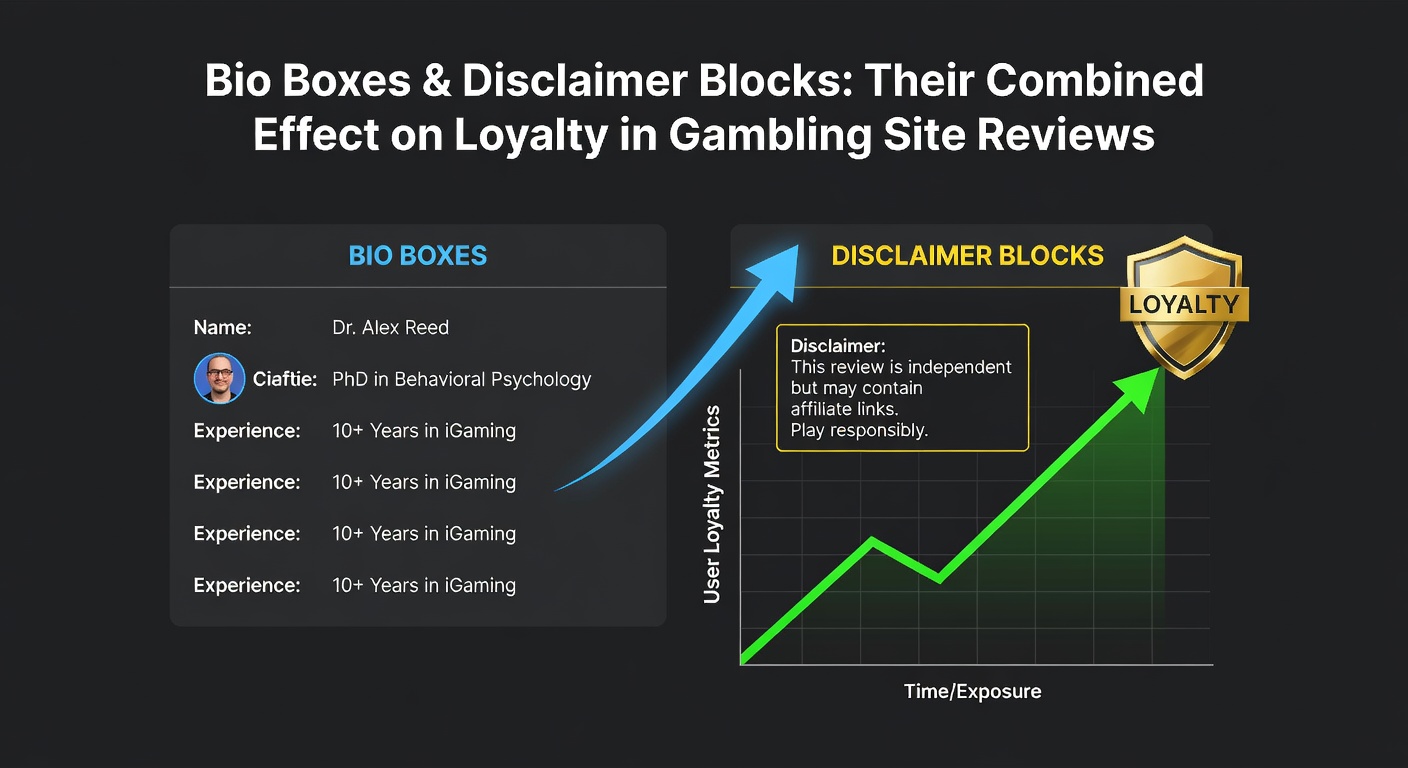
Bio boxes and disclaimer blocks appear as standard components across many casino review platforms, yet their placement and content often determine how long visitors continue returning to those sites. Researchers who track user behavior on digital content platforms note that these elements work together to establish credibility while clarifying boundaries, which in turn supports ongoing engagement rather than one-time visits. Author profiles typically include details such as credentials, past work, or areas of focus, and these sections sit near article headers or side columns on review pages. When readers encounter consistent biographical information, they gain a sense of continuity that links multiple evaluations together under the same voice. Data from industry reports shows this consistency correlates with higher rates of repeat page views, because audiences begin to associate specific expertise with particular reviewers. Disclaimer blocks, meanwhile, present regulatory notices, affiliate disclosures, and terms of use in concise formats that appear at the end of reviews or in dedicated footer areas. These notices address legal requirements across jurisdictions, including those enforced by bodies like the New Jersey Division of Gaming Enforcement and the Australian Communications and Media Authority. Their presence signals transparency, which observers have linked to lower bounce rates in analyses of review site traffic patterns. When bio boxes and disclaimer blocks appear together, the combination creates a layered effect. The biographical material builds a personal connection through demonstrated knowledge, while the disclaimer reinforces institutional accountability. Studies conducted on content retention metrics indicate that pages featuring both elements experience extended session durations compared with those lacking one or the other, because visitors receive both human context and formal assurances in a single reading experience. Observers note that integration matters. A bio box positioned above the main review text introduces the author before any recommendations appear, whereas a disclaimer block placed immediately after key claims prevents readers from questioning motives later. This sequencing reduces friction that might otherwise lead users to exit after the first article. Platforms that adjust these placements based on heat map data often report steadier loyalty indicators, such as increased newsletter sign-ups or bookmark activity over multi-month periods. In May 2026, several review aggregators updated their templates to include expandable bio sections that link to full author archives, paired with standardized disclaimer modules that adapt based on user location. Traffic analyses from those updates revealed measurable lifts in return visitor percentages within the first thirty days, particularly among audiences accessing content from regulated markets in North America and Europe. Case examples illustrate the pattern. One research team examining mid-sized review portals found that sites adding linked author timelines within bio boxes alongside dynamic disclaimer language saw a documented rise in average pages per session. Another evaluation of reader surveys conducted by an academic group at a European university highlighted that participants cited clear author attribution and visible compliance statements as factors influencing whether they revisited a domain for subsequent comparisons. Variations exist by region. Canadian provincial regulators emphasize clear separation between promotional content and factual analysis, prompting many platforms to embed disclaimer blocks directly beneath reviewer credentials. Similar approaches appear in content produced for operators licensed in Malta, where transparency rules require explicit statements about commercial relationships. These regional adaptations demonstrate how the same structural pairing adapts to different compliance frameworks without altering the core loyalty mechanism. Technical implementation also influences outcomes. Responsive designs that maintain bio and disclaimer visibility across mobile and desktop views sustain engagement levels more effectively than layouts that collapse these sections on smaller screens. Analytics platforms tracking scroll depth confirm that users who reach both elements are more likely to navigate to additional reviews within the same session. The interplay extends beyond initial trust formation. Over repeated visits, readers develop expectations around the presence of these features, and their absence on new content can interrupt established patterns of interaction. Monitoring tools used by site administrators capture these shifts through cohort analysis, showing that consistent application across an entire content library correlates with stronger long-term audience retention metrics.
Bio boxes and disclaimer blocks appear as standard components across many casino review platforms, yet their placement and content often determine how long visitors continue returning to those sites. Researchers who track user behavior on digital content platforms note that these elements work together to establish credibility while clarifying boundaries, which in turn supports ongoing engagement rather than one-time visits. Author profiles typically include details such as credentials, past work, or areas of focus, and these sections sit near article headers or side columns on review pages. When readers encounter consistent biographical information, they gain a sense of continuity that links multiple evaluations together under the same voice. Data from industry reports shows this consistency correlates with higher rates of repeat page views, because audiences begin to associate specific expertise with particular reviewers. Disclaimer blocks, meanwhile, present regulatory notices, affiliate disclosures, and terms of use in concise formats that appear at the end of reviews or in dedicated footer areas. These notices address legal requirements across jurisdictions, including those enforced by bodies like the New Jersey Division of Gaming Enforcement and the Australian Communications and Media Authority. Their presence signals transparency, which observers have linked to lower bounce rates in analyses of review site traffic patterns. When bio boxes and disclaimer blocks appear together, the combination creates a layered effect. The biographical material builds a personal connection through demonstrated knowledge, while the disclaimer reinforces institutional accountability. Studies conducted on content retention metrics indicate that pages featuring both elements experience extended session durations compared with those lacking one or the other, because visitors receive both human context and formal assurances in a single reading experience. Observers note that integration matters. A bio box positioned above the main review text introduces the author before any recommendations appear, whereas a disclaimer block placed immediately after key claims prevents readers from questioning motives later. This sequencing reduces friction that might otherwise lead users to exit after the first article. Platforms that adjust these placements based on heat map data often report steadier loyalty indicators, such as increased newsletter sign-ups or bookmark activity over multi-month periods. In May 2026, several review aggregators updated their templates to include expandable bio sections that link to full author archives, paired with standardized disclaimer modules that adapt based on user location. Traffic analyses from those updates revealed measurable lifts in return visitor percentages within the first thirty days, particularly among audiences accessing content from regulated markets in North America and Europe. Case examples illustrate the pattern. One research team examining mid-sized review portals found that sites adding linked author timelines within bio boxes alongside dynamic disclaimer language saw a documented rise in average pages per session. Another evaluation of reader surveys conducted by an academic group at a European university highlighted that participants cited clear author attribution and visible compliance statements as factors influencing whether they revisited a domain for subsequent comparisons. Variations exist by region. Canadian provincial regulators emphasize clear separation between promotional content and factual analysis, prompting many platforms to embed disclaimer blocks directly beneath reviewer credentials. Similar approaches appear in content produced for operators licensed in Malta, where transparency rules require explicit statements about commercial relationships. These regional adaptations demonstrate how the same structural pairing adapts to different compliance frameworks without altering the core loyalty mechanism. Technical implementation also influences outcomes. Responsive designs that maintain bio and disclaimer visibility across mobile and desktop views sustain engagement levels more effectively than layouts that collapse these sections on smaller screens. Analytics platforms tracking scroll depth confirm that users who reach both elements are more likely to navigate to additional reviews within the same session. The interplay extends beyond initial trust formation. Over repeated visits, readers develop expectations around the presence of these features, and their absence on new content can interrupt established patterns of interaction. Monitoring tools used by site administrators capture these shifts through cohort analysis, showing that consistent application across an entire content library correlates with stronger long-term audience retention metrics.