
Portal Pathways: Menu Frameworks Enabling Efficient Casino Evaluation Retrieval
Casino evaluation materials reach readers through carefully layered menu systems that organize reviews, comparisons, and data sets into accessible categories. These structures appear consistently across major platforms where users seek details on game mechanics, payout rates, and licensing information. Observers note that horizontal top bars often serve as primary entry points while dropdown submenus expand into specialized sections for slot assessments, table game analyses, and live dealer evaluations. Designers arrange these menus to reflect user priorities such as game type, geographic availability, and bonus structures. Vertical side panels frequently complement the main bar by grouping ongoing promotions alongside archived review archives. This dual arrangement allows quick shifts between current evaluations and historical performance records without forcing users to restart their search. Data from the American Gaming Association indicates rising traffic volumes on review portals through early 2026, with May figures highlighting sustained interest in structured navigation tools that surface regulatory compliance details. Mega menus expand further by presenting thumbnail previews of recent evaluations alongside filter options for RTP percentages and volatility ratings. Such expansions reduce click depth and keep multiple evaluation paths visible simultaneously. Researchers tracking interface patterns report that these expanded menus appear more frequently on sites handling high volumes of U.S. and Canadian market data. The layout supports simultaneous access to state-specific licensing summaries and cross-border operator comparisons. Content hierarchies within menus typically follow a progression from broad overviews to granular metrics. Top-level items might list "Casino Reviews" while second-tier options break down into "New Launches," "Mobile Performance," and "Payment Method Tests." Tertiary layers then isolate individual operator profiles that include audit summaries and player feedback aggregates. This tiered approach mirrors how evaluation teams compile and release their findings throughout the calendar year. Navigation consistency becomes particularly relevant when portals update materials in response to regulatory shifts. In May 2026 several North American operators introduced revised bonus evaluation criteria following new state guidelines, and menu structures adapted by adding dedicated filter toggles for compliance status. Users could toggle between legacy reports and updated versions without leaving the primary review hub. Such adaptability keeps evaluation archives current while preserving older datasets for trend analysis. 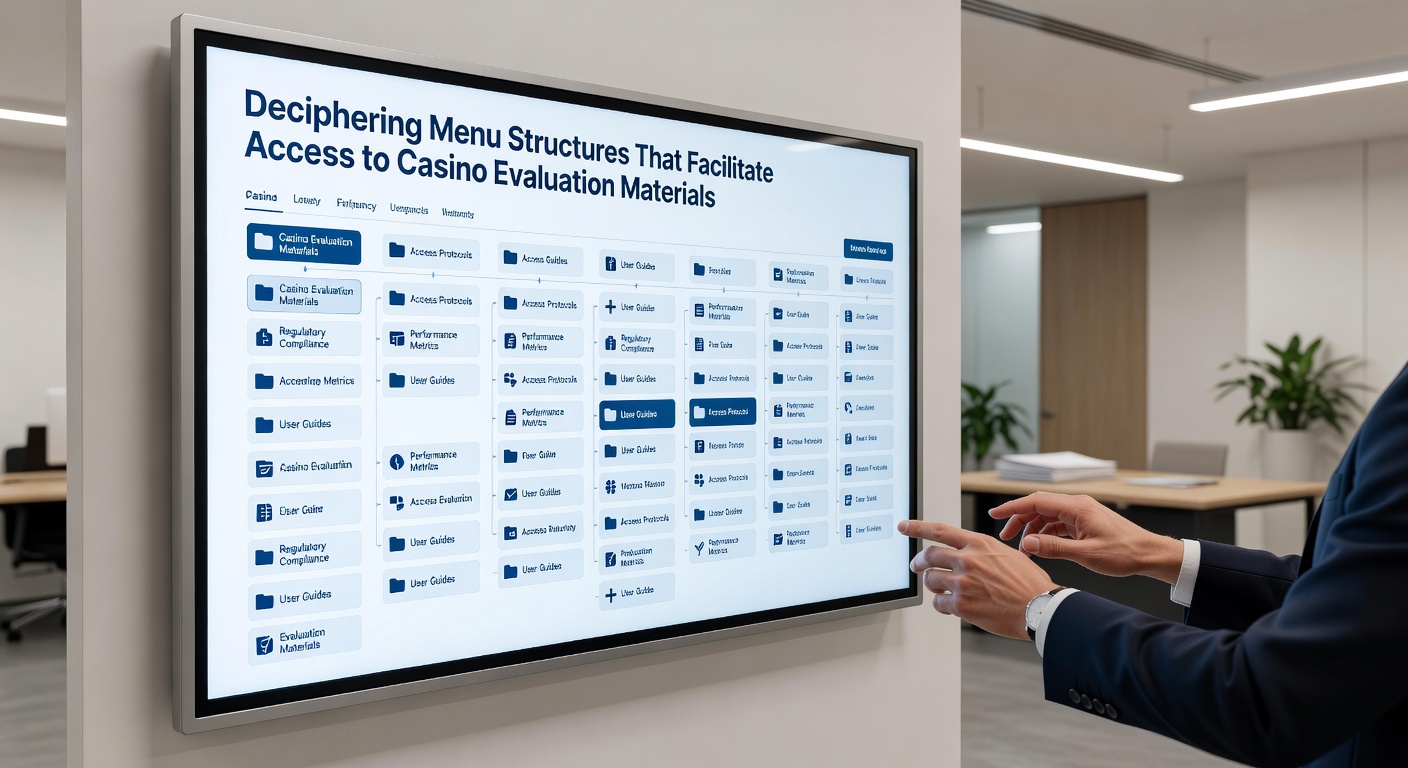 Breadcrumb trails beneath the main menu provide additional orientation by displaying the exact path taken through successive categories. These trails prove useful when readers move from a general slot review section into a specific title comparison that includes mathematical return models and session simulations. The combination of persistent menu bars and contextual breadcrumbs supports both novice and experienced users navigating dense evaluation libraries. Search integration within menus further refines access. Many platforms embed predictive text fields directly into header bars so that queries for particular evaluation topics surface relevant subpages instantly. This feature works alongside traditional category links rather than replacing them, allowing users to choose between guided browsing and direct keyword entry. Industry reports compiled by the European Gaming and Betting Association note parallel adoption trends across EU-facing review sites where multilingual menu options accompany these search tools. Accessibility considerations influence menu color contrast, keyboard navigation order, and screen-reader labeling. Evaluation portals serving broader audiences incorporate ARIA attributes that announce menu states and sublevel expansions clearly. These technical choices ensure that statistical charts and regulatory footnotes remain reachable regardless of input method. Patterns observed through 2026 show incremental refinements rather than wholesale redesigns, suggesting that established frameworks already balance depth with usability. Mobile-responsive versions collapse full menus into hamburger icons while preserving category order and search placement. Tap targets expand slightly to accommodate touch interaction, and evaluation content loads in the same hierarchical sequence once users select a section. This continuity between desktop and mobile presentations maintains consistent pathways to the same datasets across devices. Conclusion
Effective menu architectures function as the connective tissue between raw evaluation data and the readers who rely on it. By organizing content into predictable tiers, integrating search, and adapting to regulatory updates such as those recorded in May 2026, these structures support efficient discovery of casino assessment materials across desktop and mobile environments. Continued refinement of these pathways aligns with broader industry shifts toward transparent, data-rich review platforms.
Breadcrumb trails beneath the main menu provide additional orientation by displaying the exact path taken through successive categories. These trails prove useful when readers move from a general slot review section into a specific title comparison that includes mathematical return models and session simulations. The combination of persistent menu bars and contextual breadcrumbs supports both novice and experienced users navigating dense evaluation libraries. Search integration within menus further refines access. Many platforms embed predictive text fields directly into header bars so that queries for particular evaluation topics surface relevant subpages instantly. This feature works alongside traditional category links rather than replacing them, allowing users to choose between guided browsing and direct keyword entry. Industry reports compiled by the European Gaming and Betting Association note parallel adoption trends across EU-facing review sites where multilingual menu options accompany these search tools. Accessibility considerations influence menu color contrast, keyboard navigation order, and screen-reader labeling. Evaluation portals serving broader audiences incorporate ARIA attributes that announce menu states and sublevel expansions clearly. These technical choices ensure that statistical charts and regulatory footnotes remain reachable regardless of input method. Patterns observed through 2026 show incremental refinements rather than wholesale redesigns, suggesting that established frameworks already balance depth with usability. Mobile-responsive versions collapse full menus into hamburger icons while preserving category order and search placement. Tap targets expand slightly to accommodate touch interaction, and evaluation content loads in the same hierarchical sequence once users select a section. This continuity between desktop and mobile presentations maintains consistent pathways to the same datasets across devices. Conclusion
Effective menu architectures function as the connective tissue between raw evaluation data and the readers who rely on it. By organizing content into predictable tiers, integrating search, and adapting to regulatory updates such as those recorded in May 2026, these structures support efficient discovery of casino assessment materials across desktop and mobile environments. Continued refinement of these pathways aligns with broader industry shifts toward transparent, data-rich review platforms.
Casino evaluation materials reach readers through carefully layered menu systems that organize reviews, comparisons, and data sets into accessible categories. These structures appear consistently across major platforms where users seek details on game mechanics, payout rates, and licensing information. Observers note that horizontal top bars often serve as primary entry points while dropdown submenus expand into specialized sections for slot assessments, table game analyses, and live dealer evaluations. Designers arrange these menus to reflect user priorities such as game type, geographic availability, and bonus structures. Vertical side panels frequently complement the main bar by grouping ongoing promotions alongside archived review archives. This dual arrangement allows quick shifts between current evaluations and historical performance records without forcing users to restart their search. Data from the American Gaming Association indicates rising traffic volumes on review portals through early 2026, with May figures highlighting sustained interest in structured navigation tools that surface regulatory compliance details. Mega menus expand further by presenting thumbnail previews of recent evaluations alongside filter options for RTP percentages and volatility ratings. Such expansions reduce click depth and keep multiple evaluation paths visible simultaneously. Researchers tracking interface patterns report that these expanded menus appear more frequently on sites handling high volumes of U.S. and Canadian market data. The layout supports simultaneous access to state-specific licensing summaries and cross-border operator comparisons. Content hierarchies within menus typically follow a progression from broad overviews to granular metrics. Top-level items might list "Casino Reviews" while second-tier options break down into "New Launches," "Mobile Performance," and "Payment Method Tests." Tertiary layers then isolate individual operator profiles that include audit summaries and player feedback aggregates. This tiered approach mirrors how evaluation teams compile and release their findings throughout the calendar year. Navigation consistency becomes particularly relevant when portals update materials in response to regulatory shifts. In May 2026 several North American operators introduced revised bonus evaluation criteria following new state guidelines, and menu structures adapted by adding dedicated filter toggles for compliance status. Users could toggle between legacy reports and updated versions without leaving the primary review hub. Such adaptability keeps evaluation archives current while preserving older datasets for trend analysis.
Breadcrumb trails beneath the main menu provide additional orientation by displaying the exact path taken through successive categories. These trails prove useful when readers move from a general slot review section into a specific title comparison that includes mathematical return models and session simulations. The combination of persistent menu bars and contextual breadcrumbs supports both novice and experienced users navigating dense evaluation libraries. Search integration within menus further refines access. Many platforms embed predictive text fields directly into header bars so that queries for particular evaluation topics surface relevant subpages instantly. This feature works alongside traditional category links rather than replacing them, allowing users to choose between guided browsing and direct keyword entry. Industry reports compiled by the European Gaming and Betting Association note parallel adoption trends across EU-facing review sites where multilingual menu options accompany these search tools. Accessibility considerations influence menu color contrast, keyboard navigation order, and screen-reader labeling. Evaluation portals serving broader audiences incorporate ARIA attributes that announce menu states and sublevel expansions clearly. These technical choices ensure that statistical charts and regulatory footnotes remain reachable regardless of input method. Patterns observed through 2026 show incremental refinements rather than wholesale redesigns, suggesting that established frameworks already balance depth with usability. Mobile-responsive versions collapse full menus into hamburger icons while preserving category order and search placement. Tap targets expand slightly to accommodate touch interaction, and evaluation content loads in the same hierarchical sequence once users select a section. This continuity between desktop and mobile presentations maintains consistent pathways to the same datasets across devices. Conclusion
Effective menu architectures function as the connective tissue between raw evaluation data and the readers who rely on it. By organizing content into predictable tiers, integrating search, and adapting to regulatory updates such as those recorded in May 2026, these structures support efficient discovery of casino assessment materials across desktop and mobile environments. Continued refinement of these pathways aligns with broader industry shifts toward transparent, data-rich review platforms.