
Header Variations Shaping Traffic Flow in Casino Evaluation Networks
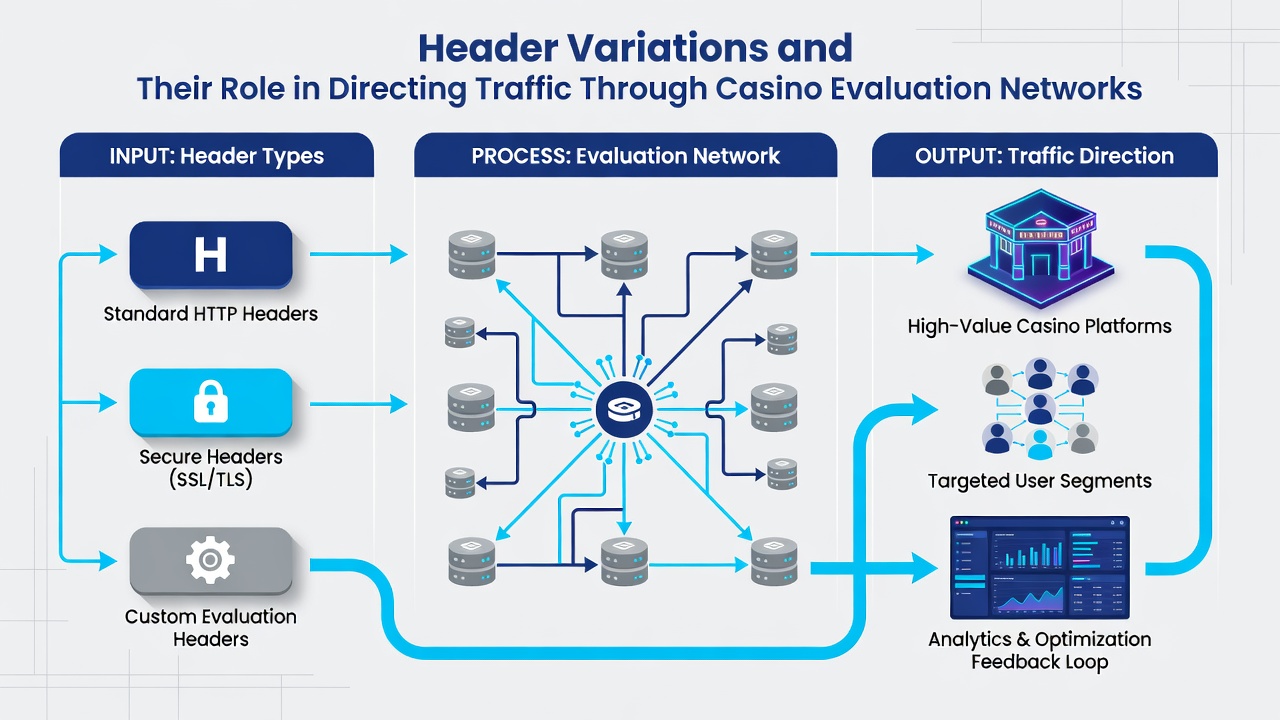
Header designs in casino evaluation networks function as primary gateways that channel visitor movement toward review content, comparison tools, and operator listings. These structures combine navigation elements, branding, and calls to action that influence both search engine indexing and direct user paths. Observers note that variations in layout and content placement alter click patterns, with some configurations prioritizing broad category access while others emphasize specific review sections or regional licensing details.
Core Components Across Header Types
Basic header formats typically feature a logo on the left, a horizontal menu spanning categories such as game reviews, bonus comparisons, and regulatory updates, plus search functionality positioned toward the right side. More elaborate versions incorporate dropdown menus that reveal subtopics like payment method analyses or mobile platform assessments, while condensed designs limit visible options to reduce decision fatigue and direct attention toward featured casino evaluations. Data from industry reports indicate that menu depth correlates with session duration on multi-page review sites, where deeper structures support extended navigation sequences.
Those who manage casino evaluation platforms adjust header elements according to traffic sources, with organic search visitors often encountering keyword-rich titles and meta-linked navigation that aligns with query intent. Paid traffic segments, by contrast, meet prominent promotional banners that route users straight to operator sign-up flows or highlighted review summaries. Researchers have documented shifts in bounce rates when headers swap static menus for dynamic elements that update based on user location or device type.
Regional Adaptations and Compliance Signals
Header configurations in networks serving multiple jurisdictions embed regulatory indicators such as licensing badges from bodies like the Malta Gaming Authority or the New Jersey Division of Gaming Enforcement. These markers appear alongside navigation links and help route users toward jurisdiction-specific evaluation materials. In August 2026, several platforms updated header modules to display real-time compliance status indicators, a change that coincided with revised advertising standards in various markets.
European-focused evaluation networks frequently integrate language selectors and currency toggles directly into headers, creating pathways that filter content by user preference before deeper site exploration begins. North American sites, meanwhile, emphasize state-by-state regulatory notes within header tooltips or secondary navigation tiers. Such adaptations support traffic segmentation without requiring visitors to reload core review pages.
Performance Metrics and Traffic Direction Outcomes
Analytics platforms tracking casino review networks record measurable differences in page views per session based on header complexity. Simpler headers with three to five primary links generate higher direct click-through rates to individual casino reviews, whereas headers containing search bars and filter presets increase internal page transitions across comparison tables and methodology explanations. Figures released by the American Gaming Association in early 2026 showed continued expansion in digital engagement metrics, with header-driven navigation contributing to sustained visitor retention across review portals.
Case examples from established networks demonstrate that A/B testing header variants produces distinct routing outcomes. One network observed a 12 percent increase in traffic to mobile-specific reviews after introducing a responsive header toggle, while another recorded elevated exits from bonus pages when header CTAs directed users toward general welcome offers instead of localized promotions. These patterns underscore how header content selection shapes the sequence of content consumption within evaluation ecosystems.
Integration With Broader Site Architecture
Headers interact with sidebars, footers, and internal linking structures to form complete traffic pathways. When headers highlight trending reviews or seasonal promotions, they complement sidebar widgets that surface related operator comparisons. This coordination supports sustained movement through evaluation materials rather than isolated page visits. Industry organizations such as the European Gaming and Betting Association have published overviews of digital infrastructure practices that include header optimization as a component of overall site architecture.
Technical implementations vary from static HTML structures to JavaScript-driven modules that personalize menu items based on returning visitor data. Both approaches influence crawl efficiency for search engines, with well-structured headers aiding topical authority signals around casino assessment topics. Networks that maintain consistent header patterns across subdomains report steadier indexing coverage for review archives and data tables.
Conclusion
Header variations serve as foundational mechanisms for guiding traffic through casino evaluation networks by establishing initial navigation choices and compliance cues. Different configurations produce measurable effects on user pathways, session metrics, and content discovery sequences. As platforms continue refining these elements in response to regulatory updates and traffic source shifts, the role of headers remains central to directing visitors toward comprehensive review resources and operator information.