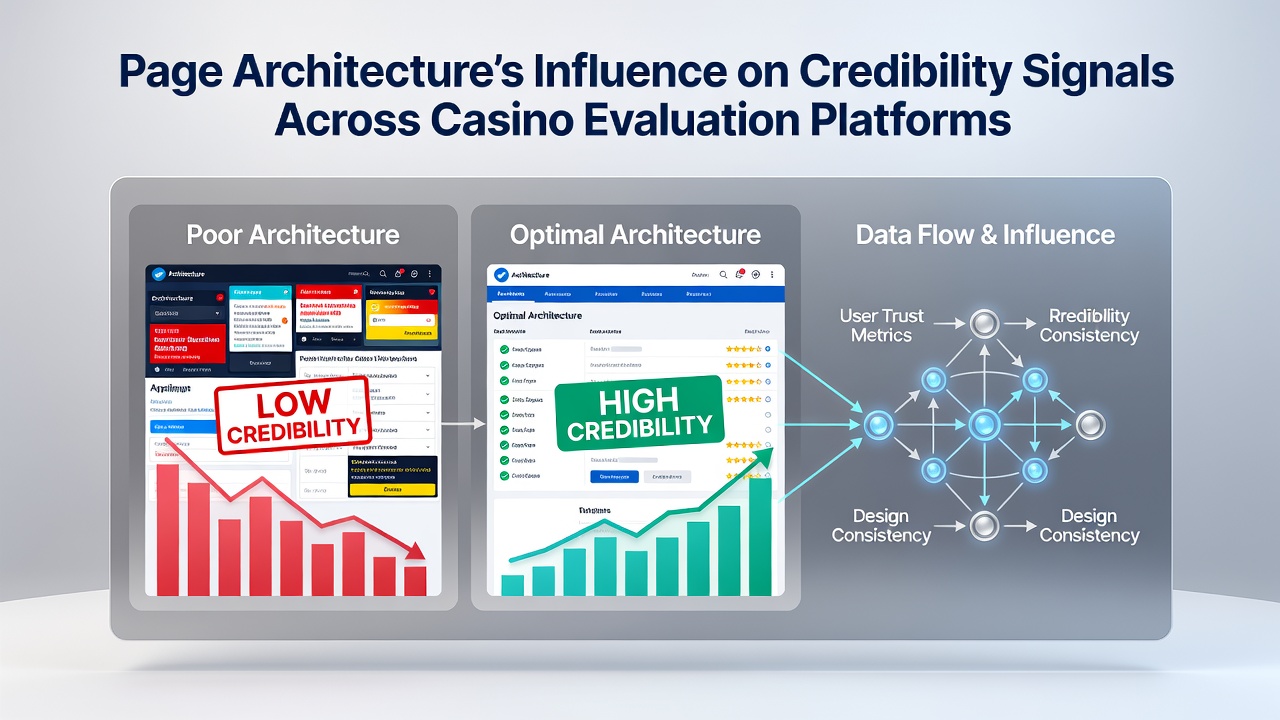
How Structural Elements Shape Trust Indicators Across Gambling Assessment Websites
Page architecture refers to the organized placement of headers, navigation menus, content blocks, sidebars, and footers on casino evaluation platforms, and researchers have documented how these arrangements transmit credibility signals to visitors seeking reliable information about gambling options. Observers note that platforms with clear hierarchical structures often receive higher marks in user surveys conducted by academic teams, since logical flow allows quick access to verification details such as licensing information and payout reports. Data from multiple industry analyses show that sites employing consistent grid systems and balanced white space tend to retain readers longer, while scattered layouts correlate with quicker exits according to heat-mapping studies released in early 2026.
Navigation Patterns and Initial Trust Formation
Menu structures positioned at the top or left side of review pages guide users toward core evaluation materials, and experts have observed that drop-down categories labeled by game type or region help establish an impression of thoroughness from the first click. Those who study digital interfaces report that platforms incorporating search bars with auto-suggest functions alongside primary menus reduce bounce rates, because visitors locate specific casino comparisons without frustration. In contrast, platforms that bury licensing badges behind multiple clicks show lower engagement metrics in tracking reports issued by research firms during July 2026.
Content Hierarchy and Signal Clarity
Section breaks created through subheadings, bullet lists, and comparison tables allow readers to scan credibility markers such as regulatory seals and independent audit summaries without scrolling fatigue, and figures from usability tests indicate that such segmentation improves retention of key facts. People familiar with casino review portals frequently point to examples where star ratings placed above the fold alongside author credentials produce stronger perceptions of authority than ratings embedded deeper in long-form text. What's interesting is how platforms that integrate interactive elements like expandable review summaries maintain reader attention while simultaneously reinforcing transparency through visible source citations.
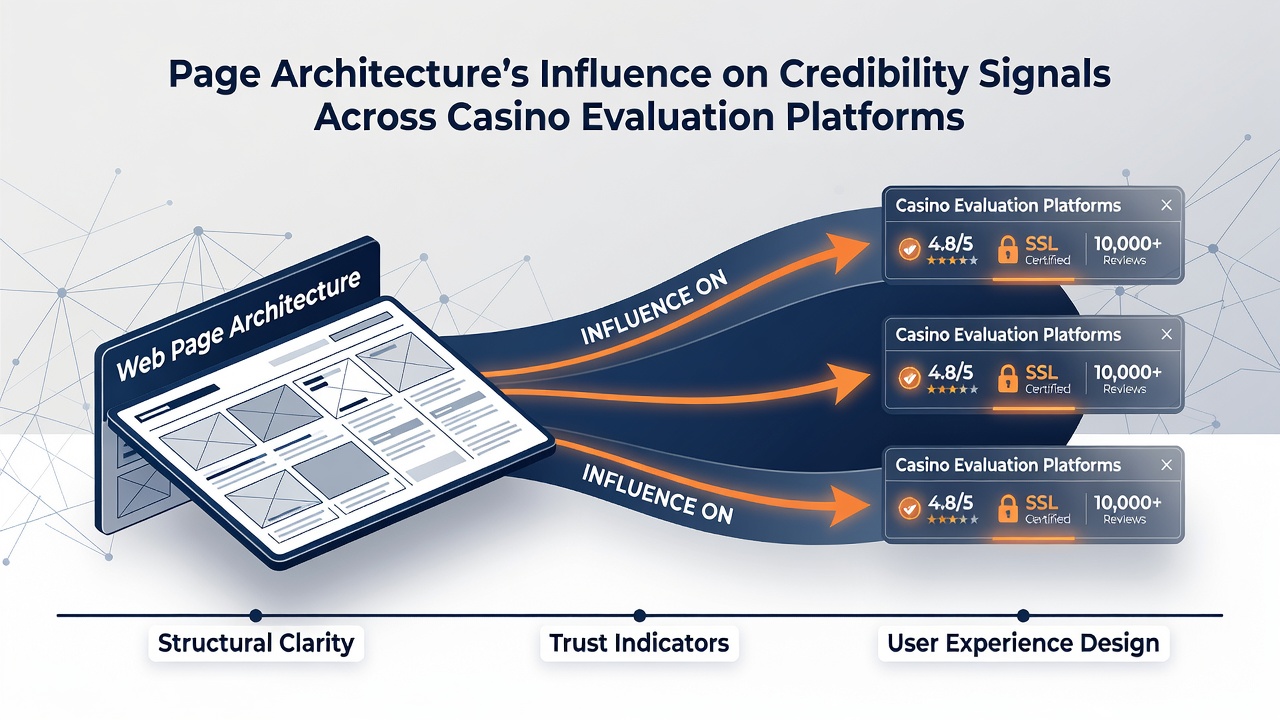
Sidebar and Widget Contributions to Perceived Stability
Side columns that display recent updates, regulatory links, and community feedback widgets supply ongoing credibility reinforcement after the initial scan, and studies released by European research centers have measured increased time-on-page when these elements update dynamically. Observers note that platforms balancing sidebar content with the central review narrative avoid overwhelming visitors, whereas overloaded side panels coincide with higher exit percentages in analytics collected across North American sites. Data indicates that linking sidebar resources to government gaming authorities from varied jurisdictions such as the National Council on Problem Gambling strengthens the overall authority signal without requiring users to leave the main evaluation flow.
Footer Elements and Long-Term Trust Anchors
Comprehensive footers that consolidate contact forms, privacy policies, and links to third-party verification services create a closing layer of reassurance, and reports compiled by Australian regulatory bodies demonstrate that visible copyright dates paired with audit timestamps correlate with higher return visit rates. Those who've examined multiple platforms find that repetitive disclaimers placed in both footer and sidebar positions maintain consistency across different devices, which matters because mobile users encounter footer content sooner on smaller screens. Industry figures reveal that platforms updating footer statistics monthly during 2026 maintained steadier credibility scores compared with static versions.
Regional Variations in Architectural Approaches
North American evaluation sites often emphasize prominent regulatory logos within the upper content area, while platforms serving Asia-Pacific audiences integrate language selectors and currency converters earlier in the layout, and comparative analyses from international research groups show these adaptations align with local user expectations for quick verification. Data collected through cross-border studies highlight that consistent mobile-responsive breakpoints preserve credibility signals across screen sizes, because fractured layouts on tablets have been linked to reduced completion rates for review reading tasks. Platforms that apply uniform structural rules across desktop and mobile versions therefore sustain trust indicators regardless of access method.
Conclusion
Structural decisions in page architecture continue to influence how credibility registers across casino evaluation platforms, with navigation clarity, content segmentation, sidebar balance, and footer completeness each contributing measurable effects according to ongoing research. Platforms that align these components with documented user behavior patterns maintain stronger signals of reliability, and data gathered through July 2026 underscores the ongoing relevance of these design choices for platforms operating in multiple regulatory environments.