
The Hidden Architecture: Linking Homepage Features to Reader Engagement in Online Casino Evaluations
Homepage designs in online casino evaluation platforms incorporate specific structural elements that shape how readers interact with content, and these choices connect directly to measurable engagement metrics such as time on page, click-through rates, and return visits. Data from industry reports indicate that platforms optimizing these features see consistent patterns in user behavior, particularly as traffic volumes rose through mid-2026. Navigation systems occupy a central role in guiding readers toward detailed evaluations, and experts note that streamlined menu structures reduce friction during initial visits. Observers have documented cases where primary navigation bars featuring categorized links to game reviews, bonus comparisons, and regulatory updates maintain longer session durations compared to cluttered alternatives. In August 2026, platforms incorporating predictive search bars alongside standard menus reported elevated interaction levels, as users located relevant material more efficiently without additional clicks. Hero sections positioned below the header often display prominent calls to action, such as featured casino comparisons or current promotional highlights, and these elements draw initial attention while establishing content hierarchy. Studies from web analytics firms reveal that dynamic hero banners updated with real-time data, including payout percentages or user ratings, correlate with increased scroll depth and subsequent page views. Those who analyzed reader paths found that static hero images without interactive elements produced shorter engagement windows, whereas rotating content tied to seasonal events sustained interest across multiple visits. Content blocks dedicated to top-rated sites or category spotlights appear further down the page, and researchers discovered that strategic placement of review summaries with embedded trust signals like licensing details and payout verification links enhances trust signals that prompt deeper exploration. According to figures from the American Gaming Association, overall sector revenue growth in early 2026 aligned with platforms that prioritized these blocks, as readers spent additional time comparing options before navigating to full articles. 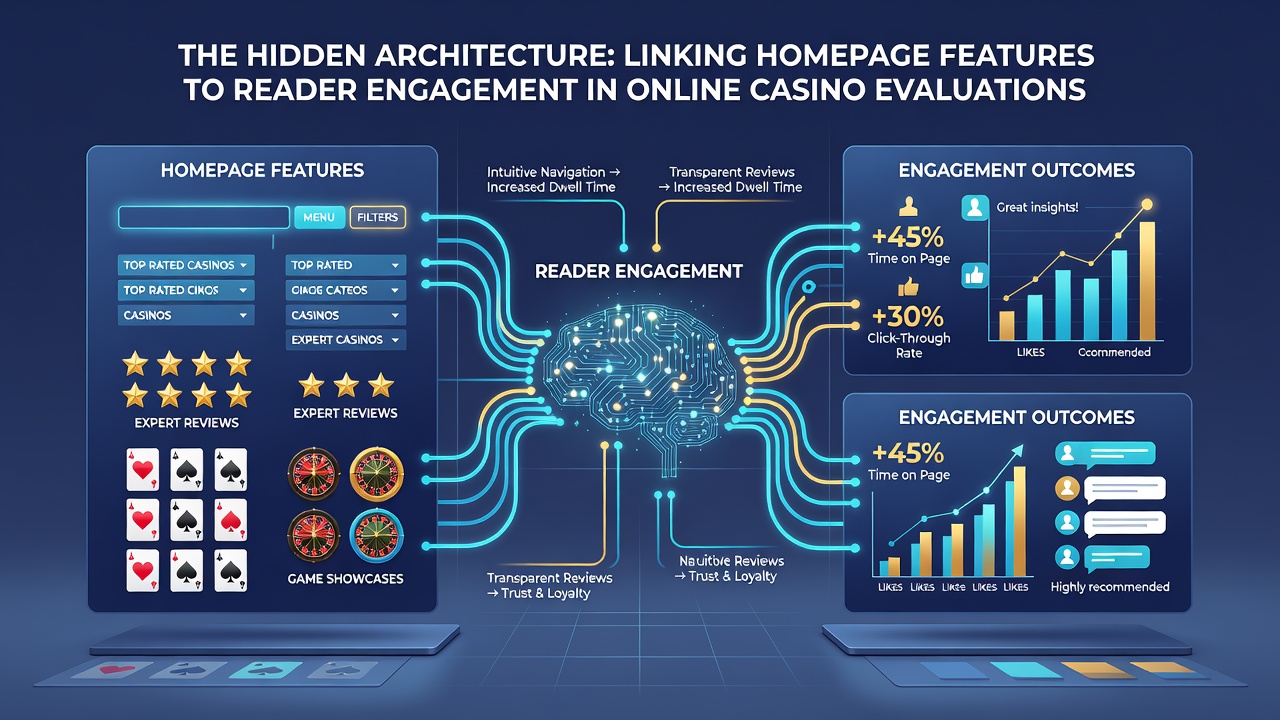 Sidebar components provide supplementary navigation through widgets that display recent articles, popular searches, or regional regulatory updates, and data indicates these additions extend dwell time by offering quick access to related material without disrupting the main reading flow. One analysis of user sessions showed that interactive elements like filterable game lists in sidebars increased click rates on secondary content by directing attention toward niche evaluations. Platforms in various markets, including those tracked by Canadian regulatory bodies, adopted similar sidebar configurations to accommodate diverse reader preferences for localized information. Footer sections consolidate essential links to disclaimers, privacy policies, and affiliate disclosures, and observers note that comprehensive yet concise footers contribute to overall site credibility that encourages repeat visits. Research from academic sources on digital trust, such as reports issued by the University of Nevada's gaming studies program, demonstrates that transparent footer content reduces exit rates at the conclusion of review pages, because readers perceive the platform as authoritative when all required information remains accessible. These elements integrate with homepage architecture to form a closed loop that supports sustained engagement across multiple content layers. Internal linking patterns within homepage modules further reinforce reader pathways, and evidence suggests that contextual links embedded in review teasers lead to higher conversion toward full articles than generic buttons. In regions outside the primary U.S. market, such as those monitored by Australian oversight agencies, similar linking strategies produced parallel results in engagement tracking during 2026 data cycles. The cumulative effect of these interconnected features creates a framework where each component reinforces the next, guiding readers from initial arrival through detailed exploration without abrupt transitions. Conclusion
Homepage architecture in online casino evaluation sites functions as an integrated system where navigation, visual hierarchy, side content, and closing elements collectively influence reader retention and interaction depth. Available metrics from 2026 illustrate measurable outcomes tied to deliberate feature placement, and continued refinement of these structures reflects ongoing adaptation to user behavior patterns observed across the sector.
Sidebar components provide supplementary navigation through widgets that display recent articles, popular searches, or regional regulatory updates, and data indicates these additions extend dwell time by offering quick access to related material without disrupting the main reading flow. One analysis of user sessions showed that interactive elements like filterable game lists in sidebars increased click rates on secondary content by directing attention toward niche evaluations. Platforms in various markets, including those tracked by Canadian regulatory bodies, adopted similar sidebar configurations to accommodate diverse reader preferences for localized information. Footer sections consolidate essential links to disclaimers, privacy policies, and affiliate disclosures, and observers note that comprehensive yet concise footers contribute to overall site credibility that encourages repeat visits. Research from academic sources on digital trust, such as reports issued by the University of Nevada's gaming studies program, demonstrates that transparent footer content reduces exit rates at the conclusion of review pages, because readers perceive the platform as authoritative when all required information remains accessible. These elements integrate with homepage architecture to form a closed loop that supports sustained engagement across multiple content layers. Internal linking patterns within homepage modules further reinforce reader pathways, and evidence suggests that contextual links embedded in review teasers lead to higher conversion toward full articles than generic buttons. In regions outside the primary U.S. market, such as those monitored by Australian oversight agencies, similar linking strategies produced parallel results in engagement tracking during 2026 data cycles. The cumulative effect of these interconnected features creates a framework where each component reinforces the next, guiding readers from initial arrival through detailed exploration without abrupt transitions. Conclusion
Homepage architecture in online casino evaluation sites functions as an integrated system where navigation, visual hierarchy, side content, and closing elements collectively influence reader retention and interaction depth. Available metrics from 2026 illustrate measurable outcomes tied to deliberate feature placement, and continued refinement of these structures reflects ongoing adaptation to user behavior patterns observed across the sector.
Homepage designs in online casino evaluation platforms incorporate specific structural elements that shape how readers interact with content, and these choices connect directly to measurable engagement metrics such as time on page, click-through rates, and return visits. Data from industry reports indicate that platforms optimizing these features see consistent patterns in user behavior, particularly as traffic volumes rose through mid-2026. Navigation systems occupy a central role in guiding readers toward detailed evaluations, and experts note that streamlined menu structures reduce friction during initial visits. Observers have documented cases where primary navigation bars featuring categorized links to game reviews, bonus comparisons, and regulatory updates maintain longer session durations compared to cluttered alternatives. In August 2026, platforms incorporating predictive search bars alongside standard menus reported elevated interaction levels, as users located relevant material more efficiently without additional clicks. Hero sections positioned below the header often display prominent calls to action, such as featured casino comparisons or current promotional highlights, and these elements draw initial attention while establishing content hierarchy. Studies from web analytics firms reveal that dynamic hero banners updated with real-time data, including payout percentages or user ratings, correlate with increased scroll depth and subsequent page views. Those who analyzed reader paths found that static hero images without interactive elements produced shorter engagement windows, whereas rotating content tied to seasonal events sustained interest across multiple visits. Content blocks dedicated to top-rated sites or category spotlights appear further down the page, and researchers discovered that strategic placement of review summaries with embedded trust signals like licensing details and payout verification links enhances trust signals that prompt deeper exploration. According to figures from the American Gaming Association, overall sector revenue growth in early 2026 aligned with platforms that prioritized these blocks, as readers spent additional time comparing options before navigating to full articles.
Sidebar components provide supplementary navigation through widgets that display recent articles, popular searches, or regional regulatory updates, and data indicates these additions extend dwell time by offering quick access to related material without disrupting the main reading flow. One analysis of user sessions showed that interactive elements like filterable game lists in sidebars increased click rates on secondary content by directing attention toward niche evaluations. Platforms in various markets, including those tracked by Canadian regulatory bodies, adopted similar sidebar configurations to accommodate diverse reader preferences for localized information. Footer sections consolidate essential links to disclaimers, privacy policies, and affiliate disclosures, and observers note that comprehensive yet concise footers contribute to overall site credibility that encourages repeat visits. Research from academic sources on digital trust, such as reports issued by the University of Nevada's gaming studies program, demonstrates that transparent footer content reduces exit rates at the conclusion of review pages, because readers perceive the platform as authoritative when all required information remains accessible. These elements integrate with homepage architecture to form a closed loop that supports sustained engagement across multiple content layers. Internal linking patterns within homepage modules further reinforce reader pathways, and evidence suggests that contextual links embedded in review teasers lead to higher conversion toward full articles than generic buttons. In regions outside the primary U.S. market, such as those monitored by Australian oversight agencies, similar linking strategies produced parallel results in engagement tracking during 2026 data cycles. The cumulative effect of these interconnected features creates a framework where each component reinforces the next, guiding readers from initial arrival through detailed exploration without abrupt transitions. Conclusion
Homepage architecture in online casino evaluation sites functions as an integrated system where navigation, visual hierarchy, side content, and closing elements collectively influence reader retention and interaction depth. Available metrics from 2026 illustrate measurable outcomes tied to deliberate feature placement, and continued refinement of these structures reflects ongoing adaptation to user behavior patterns observed across the sector.