
UK Gambling Commission Data Reveals March 2026 Rebound Across Key Sectors
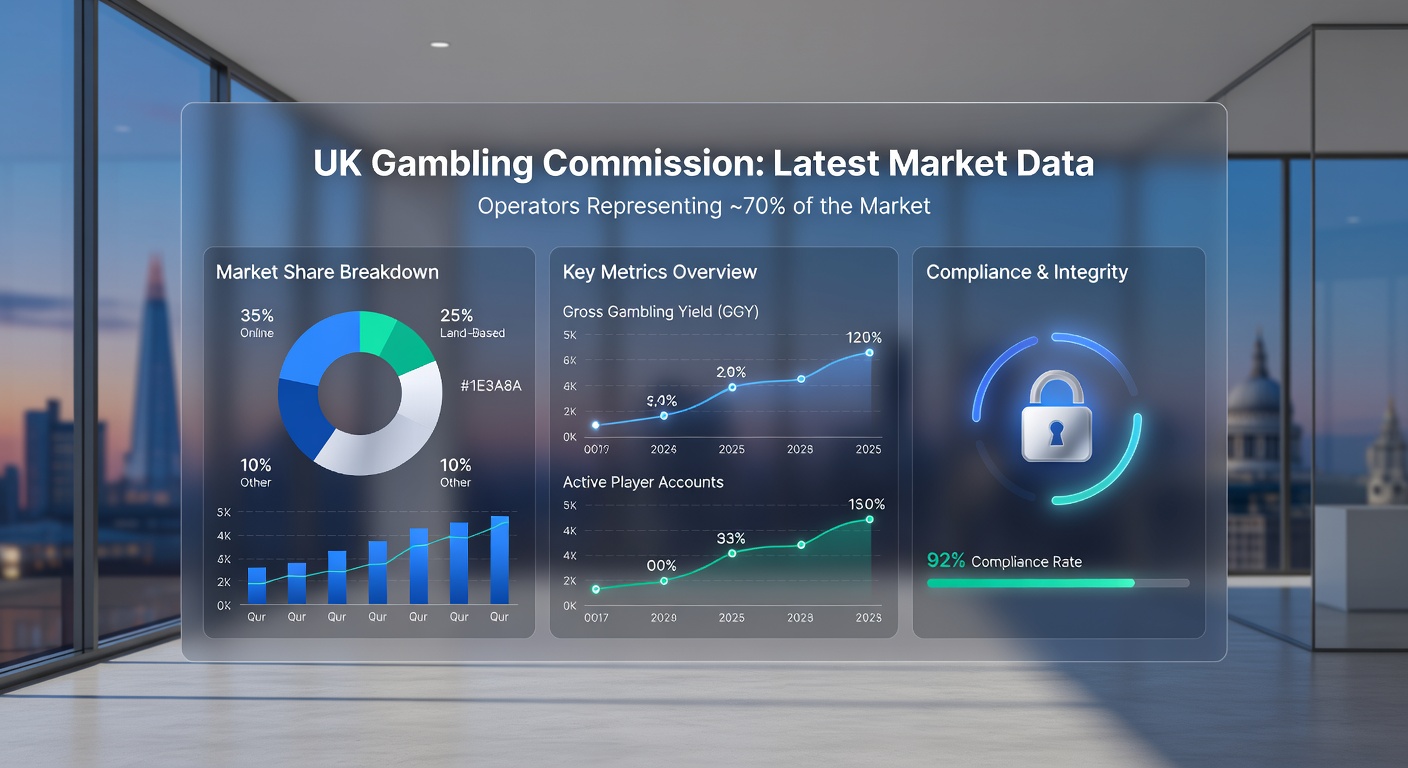
Market figures released in May 2026 from the UK Gambling Commission highlight a clear uptick in activity during March after February registered softer participation levels. Operators supplying information that accounts for roughly 70 percent of the digital market contributed to this overview and the patterns align with wider movements seen in the opening months of 2026.
Activity Patterns Across Digital and Retail Channels
Online slots recorded renewed engagement in March while real-event and sports betting operations also posted gains that reversed the previous month’s dip. Retail gambling venues followed the same trajectory with increased footfall and transaction volumes compared to February numbers. These shifts occurred together rather than in isolation and they point to a coordinated recovery across multiple segments of the market.
Data shows the rebound touched both online platforms and physical locations so participants who favor digital play experienced similar momentum to those who visit betting shops or casinos. The consistency across channels suggests underlying factors that influenced behavior on a broader scale during that period.
Context from Early 2026 Trends
February had presented a temporary slowdown across the same categories and the March figures demonstrate how quickly operators and players adjusted. Early 2026 overall has featured fluctuating monthly results yet the latest release indicates the market maintained resilience despite the brief contraction. Observers note that such month-to-month variations remain typical in gambling statistics because external events and seasonal patterns often shape participation rates.
Those who track these releases find the March recovery noteworthy because it restored activity levels without requiring structural changes in operator offerings. The figures reveal continued interest in established products such as slots and sports betting while retail locations benefited from the same positive movement.
Scope of the Reported Information
The dataset covers operators that represent approximately 70 percent of the digital market so it captures a substantial portion of online activity. Retail figures supplement this view and together they create a rounded picture of national trends. Because the information comes directly from licensed operators the statistics carry the weight of regulatory oversight and standardized reporting practices.
Publication occurred in May 2026 which allowed time for compilation and verification of the raw numbers. The timing means stakeholders receive timely insight into the first quarter’s closing month and can compare it against both January and February performance.
Implications for Market Monitoring
Regular releases of this nature support ongoing evaluation of sector health and they help identify whether short-term dips represent anomalies or emerging patterns. The March rebound fits within the broader early 2026 narrative where activity has shown adaptability rather than sustained decline. Analysts who review successive reports can place individual months in context and track cumulative progress through the year.
Retail and digital channels operated in parallel during the recovery which underscores the interconnected nature of the overall gambling landscape. When one segment experiences growth the data often reflects similar movement elsewhere and the March statistics illustrate that dynamic clearly.
Conclusion
The UK Gambling Commission’s market overview for March 2026 documents a rebound that followed February’s softer results and it encompasses online slots, sports betting, and retail operations. With coverage from operators representing around 70 percent of the digital market these figures provide a reliable snapshot of conditions at that time. The data integrates into the wider sequence of early 2026 trends and it supplies concrete reference points for anyone examining monthly performance across the regulated sector.